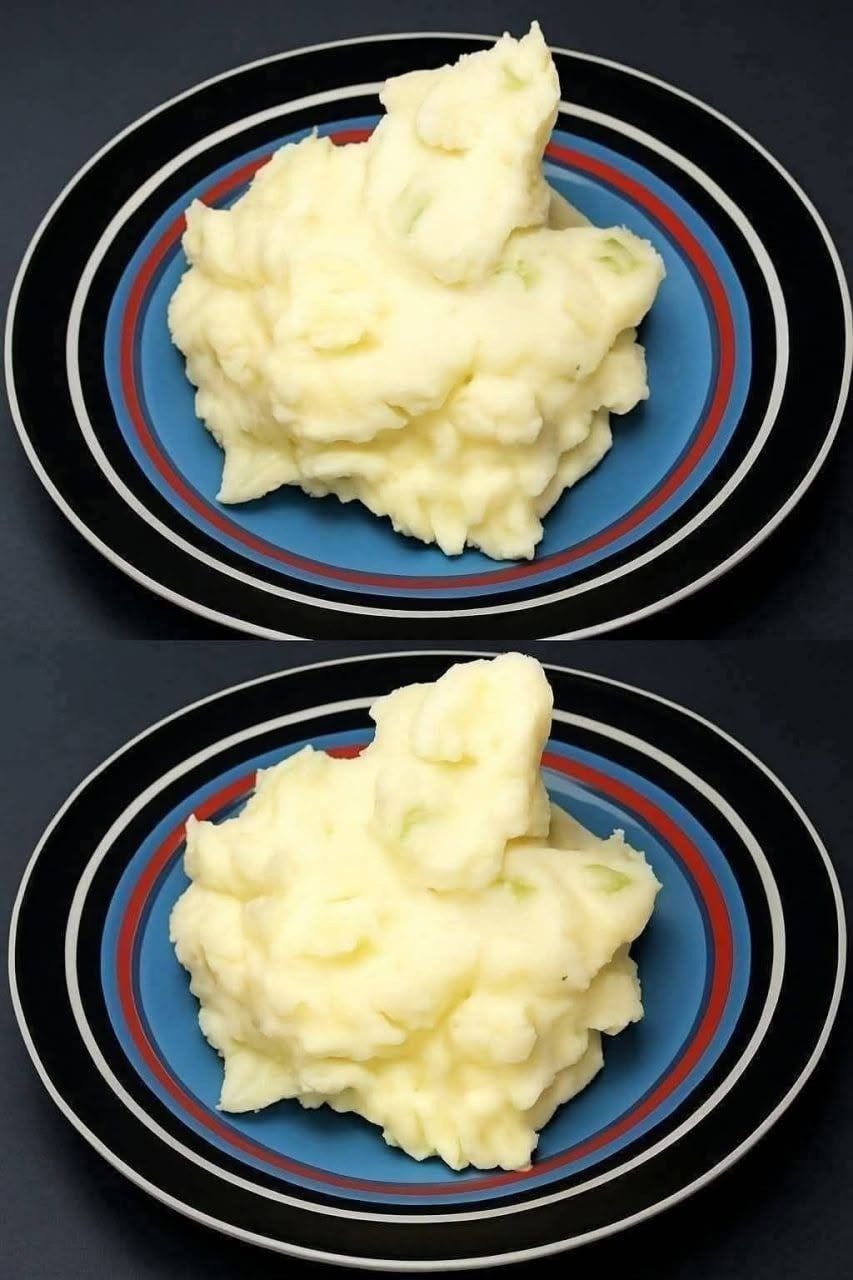
Steaming cooks the potato using the latent heat of water vapor rather than submersing the vegetable in a liquid bath.
Method 2: Oven Baking (For Deep, Concentrated Flavor)
Baking eliminates external moisture while evaporating a portion of the potato’s natural water content, concentrating its earthy flavor.
💡 Pro Rules for Next-Level Fluffy Mash
-
Select an Amylose-Rich Potato: Choose Yukon Gold or Russet potatoes. Avoid waxy varieties like Red Bliss or fingerlings, which have high moisture and low starch, making them prone to turning gummy.
-
Dehydrate the Flesh Post-Cook: If surface moisture is visible after steaming, return hot potato chunks to the dry, warm pot for 60 seconds off the heat. Let excess surface water flash off as steam before mashing.
-
Warm Your Dairy Components: Never pour cold milk, cream, or melted butter straight from the fridge into hot potatoes. Cold liquids shock the hot starch granules, causing the mixture to tighten and seize. Warm your butter and cream in a small saucepan before folding them in.
-
Deploy Low-Shear Tools: Never use a food processor or electric hand mixer; high-shear blades rip open starch cells and release free amylose, creating a sticky paste. Use a manual potato ricer or food mill to press potatoes into delicate, airy ribbons without bruising the starch matrix.
For Complete Cooking STEPS Please Head On Over To Next Page Or Open button (>)